My Child Is Hypermobile: What I Wish Someone Had Told My Mom
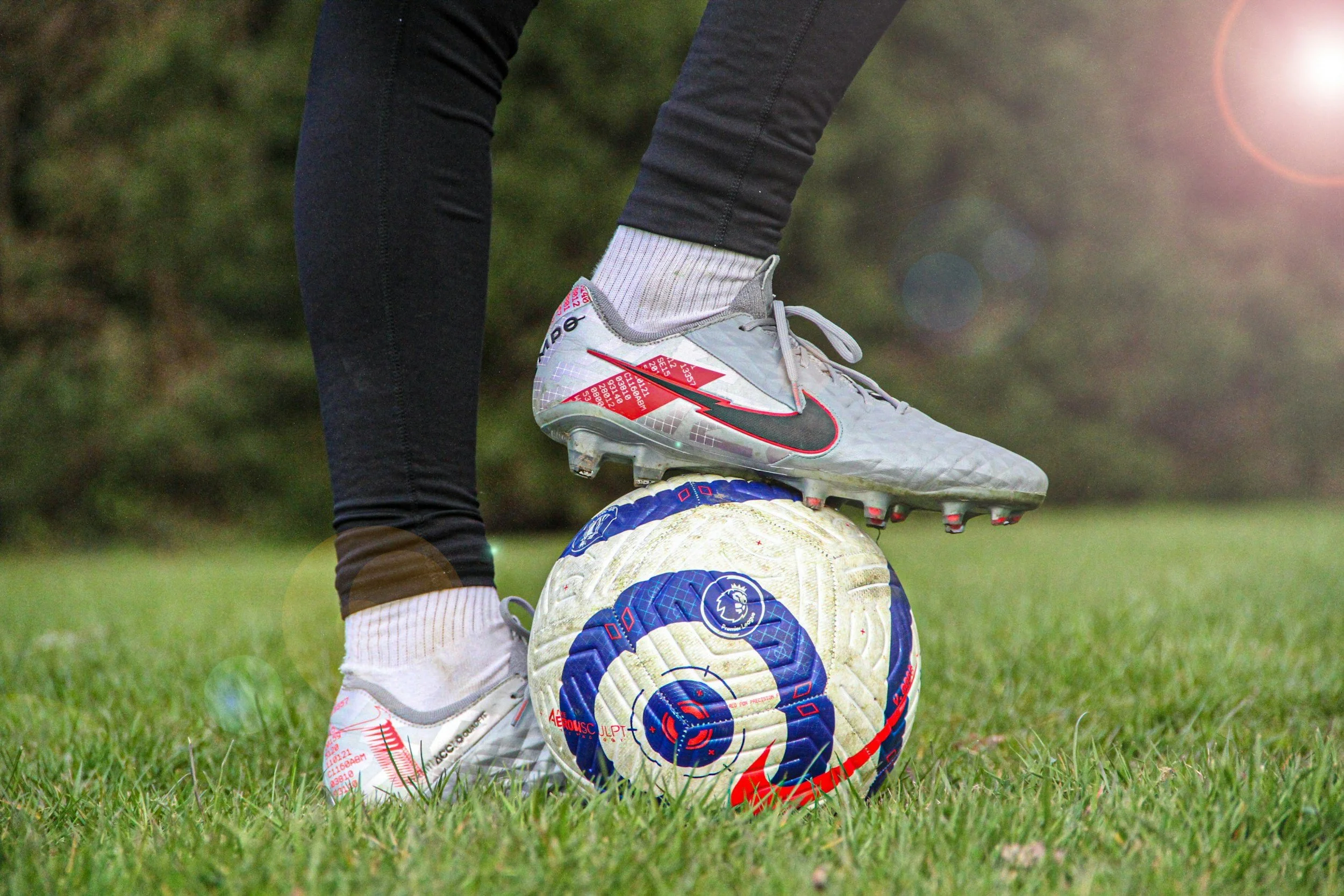
When I watch my child play sports, I see something most people don’t.
And it takes me right back to being a kid.
I was trying my hardest… and it still never felt like enough.
Not as fast.
Not as coordinated.
Not as “good” as the other kids my age.
Eventually, I stopped trying.
Not because I didn’t want to play—
but because it felt like no matter how hard I worked, I just couldn’t measure up.
The adults in my life weren’t trying to make me feel that way.
They just didn’t understand what was happening in my body.
And neither did I.
I didn’t know I was hypermobile.
What Hypermobility (and EDS) Can Look Like in Children
When most people think of hypermobility, they think of flexibility.
But it’s so much more than that.
Hypermobility—especially when connected to Ehlers-Danlos Syndrome (EDS)—affects the entire body, not just the joints.
Because the joints are less stable, the body has to constantly compensate.
That compensation shows up in ways that are often misunderstood.
Common Signs to Look For:
Sitting in a “W” position
Being labeled “double-jointed”
Frequent sprains, strains, or injuries
Clumsiness or poor coordination
Struggling with sports despite trying hard
Fatigue (their body is working overtime)
Complaints of “growing pains” that seem excessive, these can be due to the frequent subluxations and dislocations
Poor posture or slouching
Difficulty with handwriting or fine motor skills
Gut issues (constipation, diarrhea, reflux, etc.)
Sensitivity, anxiety, or nervous system dysregulation (there is absolutely a “behaviors” component
These kids are often described as:
“lazy”
“uncoordinated”
“not athletic”
“highly sensitive”
“difficult”
But that’s not the truth.
What’s Actually Happening in Their Body
A hypermobile child isn’t doing less.
They’re doing more—just to get to the same place.
Their muscles are constantly working to stabilize joints that don’t naturally hold themselves in place.
Their brain is working harder to figure out where their body is in space (this is called proprioception).
So when they’re running, jumping, or playing sports…
They’re not just playing.
They’re stabilizing.
Compensating.
Adjusting.
Trying to keep up with a body that requires more effort for the same movements.
Why This Matters More Than You Think
Because without understanding, these kids internalize something painful:
“I’m not good enough.”
And that belief doesn’t stay in sports.
It follows them.
I know—because it followed me.
How to Support a Hypermobile Child
This is where we can change the story.
1. Support Their Body (Not Just Performance)
Focus on strength and stability over flexibility, especially core strength
Encourage slower skill-building and repetition, building up slowly and consistently
Give them time—progress may look different
2. Reduce the Pressure
They already feel the gap. They don’t need it highlighted.
They need to feel safe to keep trying. And when you talk about this with coaches or the other parent, do it privately. You can and should have a conversation with them about how it makes them feel but be careful to do more listening and validating than talking.
3. Build Body Awareness
Activities that improve coordination and proprioception can be incredibly helpful:
Balance-based play
Climbing
Controlled strength movements
4. Nourish and Support the Whole System
Supporting Their Body Starts at Home
Because we live in a world full of toxins, this is one of the places we can really support our children proactively.
Not from fear—but from wisdom.
We may not be able to control everything…
but we can create a home environment that supports their body instead of adding more stress to it.
Simple shifts can make a big difference over time:
Choosing organic or chemical-free foods when possible
Eliminating synthetic fragrance (this is a big one)
Switching to personal care products with cleaner, more supportive ingredients
Prioritizing quality protein to support muscle strength and stability
These aren’t about perfection.
They’re about reducing the overall load on a body that is already working harder than most.
A Gentle Way to Supplement: Cell Salts
One of my favorite ways to support hypermobile children—especially when we’re thinking about connective tissue—is cell salts.
They work gently at the mineral level, supporting the body in a way that doesn’t force, but instead nourishes and assists.
Some of the most supportive ones for connective tissue include:
Calc Fluor (Calcarea Fluorica 6x) → supports elasticity and strength of ligaments and connective tissue (this is a big one for hypermobility)
Silica (Silicea 6x) → supports structural integrity, tissue strength, and resilience (Note: do not take longterm if there is something foreign in the body, ex implants)
Calc Phos (Calcarea Phosphorica 6x) → supports bone growth, development, and overall tissue support (especially helpful in growing kids)
For kids whose bodies are constantly trying to stabilize and compensate, this kind of support can be incredibly helpful.
Not as a quick fix—
but as a gentle, foundational way to support:
tissue strength
nervous system balance
overall resilience
Looking Deeper: The Genetic & Energetic Layer
Hypermobility isn’t just structural—it often has a genetic component.
And in homeopathy, when we see patterns like hypermobility (often alongside things like allergies, sensitivities, or recurring immune challenges), we start to recognize a deeper layer at play.
This is where the concept of miasms comes in.
Miasms are inherited patterns that can influence how the body expresses imbalance over time.
In cases of hypermobility—especially when paired with tendencies like allergies—we often see what’s known as a tubercular miasm.
This doesn’t mean something is “wrong” with your child.
It simply gives us more insight into how their body may be wired… and how we can support it more intentionally.
When we address this layer, we’re not just supporting symptoms—
we’re supporting the root beneath the pattern.
A Gentle Encouragement
Because this is a deeper level of healing, I don’t recommend trying to navigate miasmatic work on your own.
Working with a knowledgeable practitioner can help:
individualize support for your child
choose the right remedies at the right time
gently guide the body toward better balance over time
This kind of support can be incredibly impactful for children who are already working harder in their bodies than most.
You don’t have to navigate this alone.
I would love to walk alongside you in supporting your child at a deeper level.
You can learn more about choosing a practitioner here.
What to Say to Your Child (This Part Matters So Much)
We’ve been taught to say things like:
“I’m so proud of you!”
And while that’s not wrong… for these kids, it can sometimes still feel tied to performance.
Instead, shift to noticing specific effort and character.
Try This Instead:
❌ “I’m so proud of you!”
✅ “I saw how hard you worked out there.”
❌ “Good job!”
✅ “You kept going even when it got hard.”
❌ “You did great!”
✅ “You were such a kind teammate when you helped him up.”
❌ “You’re getting better!”
✅ “I saw you go after that ball—that took courage.”
This helps them anchor their worth in:
effort
character
resilience
Not just outcome.
The Role We Play as Parents
We have the opportunity to become what we didn’t have.
The ones who see what others miss.
The ones who understand what’s happening beneath the surface.
The ones who remind them:
You are not behind.
You are not less capable.
Your body just needs different support.
Personal Thoughts
I don’t want my child to walk away from something he loves…
believing he just isn’t good enough.
And if you’re here, reading this—
I don’t think you want that for your child either.
This awareness?
It changes everything.
You Aren’t Alone
If you’d like to understand how to support your hypermobile child (or yourself) more deeply—from nervous system support to nutrition and a root-cause approach—I share frequently here on my website because I care deeply about this topic as it has touched me personally. Please subscribe to my emails to be notified when I release a new blog.